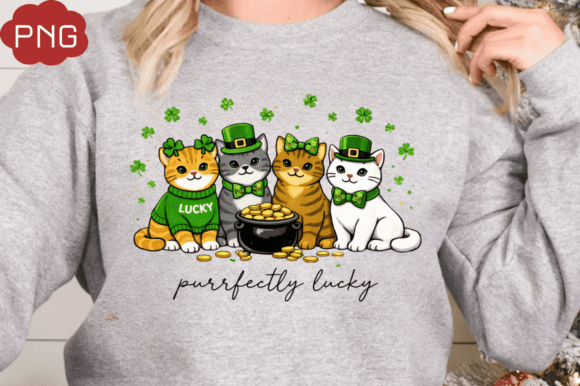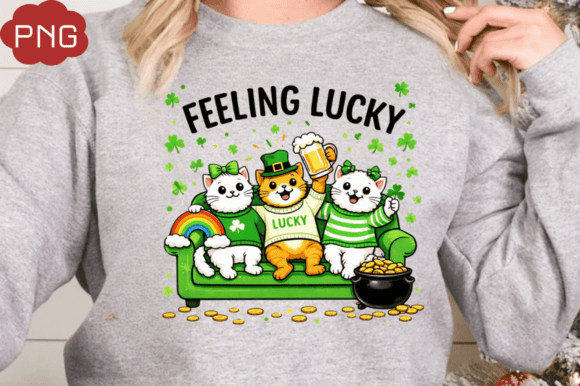
Evaluating the St Patrick’s Day Irish Lucky Drunk PNG for Sublimation and Apparel Design
Seasonal design assets occupy a unique space in the digital marketplace, particularly when they cater to high-volume holidays like St. Patrick’s Day. For creators, small business owners, and DIY enthusiasts, the difference between a generic graphic and a well-executed, versatile file can determine the success of a product line or personal project. The St Patrick’s Day Irish Lucky Drunk PNG represents a specific niche within this market: humorous, themed artwork designed for immediate integration into sublimation printing, heat transfer vinyl (HTV) applications, and various digital crafts.
This analysis explores the practical utility, technical specifications, and real-world application of this digital asset. By examining its compatibility with standard design software and production methods, we can determine whether it serves as a reliable resource for your creative workflow.
Technical Specifications and File Integrity
The foundation of any useful digital design asset lies in its technical quality. The St Patrick’s Day Irish Lucky Drunk PNG is distributed as an instant download, eliminating shipping delays and allowing for immediate project initiation. The primary format provided is a Portable Network Graphics (PNG) file featuring a transparent background. This transparency is not merely a convenience; it is a critical requirement for professional-grade results.
When working with sublimation printers or cutting machines like Cricut and Silhouette, a clean alpha channel ensures that no unwanted white boxes or jagged edges appear around the design. High-resolution output is essential here. Low-resolution files often pixelate when scaled up for larger apparel items such as hoodies or full-wrap tumblers. A high-quality digital artwork of this nature typically offers sufficient DPI (dots per inch) to maintain sharpness across various print sizes, from small stickers to large-format shirts.
For users familiar with Adobe Photoshop, Illustrator, or open-source alternatives like GIMP and Inkscape, the PNG format allows for easy layering. You can place the "Irish Lucky Drunk" graphic over textured backgrounds, solid colors, or complex patterns without losing visual fidelity. This flexibility is crucial for creators who wish to customize the final look rather than relying on a static, unchangeable image.
Versatility Across Production Methods
One of the strongest attributes of this design is its adaptability to multiple fabrication techniques. While marketed heavily toward T-shirt sublimation, its utility extends far beyond cotton blends.
- Sublimation Printing: Ideal for polyester-based fabrics and coated hard goods. The vibrant colors typical of St. Patrick’s Day themes—shamrock greens, golds, and bold blacks—translate well through dye-sublimation, resulting in durable, fade-resistant prints on mugs, tumblers, and mousepads.
- Heat Transfer Vinyl (HTV): Although PNGs are raster images, they serve as excellent reference layers for tracing in cutting software. Designers can import the PNG into Cricut Design Space or Silhouette Studio, trace the outline, and cut colored vinyl accordingly. This method is preferred for cotton t-shirts where sublimation is not effective.
- Direct-to-Garment (DTG): For businesses utilizing DTG printers, the transparent PNG allows for direct printing onto dark or light garments without the need for extensive manual masking.
- Digital and Paper Crafts: Beyond apparel, the file is suitable for scrapbooking, greeting cards, and party invitations. The humorous "Lucky Drunk" theme aligns well with adult-oriented party decor, bottle labels, and social media graphics.
This multi-method compatibility reduces the need for purchasing separate files for different production needs, offering better long-term value for freelancers and small business owners who manage diverse inventory.
Design Aesthetics and Market Appeal
The thematic focus of the St Patrick’s Day Irish Lucky Drunk PNG taps into a specific segment of holiday consumer behavior: humor and casual celebration. Unlike traditional, solemn Celtic designs, this artwork leans into the festive, party-centric aspect of the holiday. This distinction is important for target audience alignment.
For marketers and sellers, understanding the demographic is key. This design appeals primarily to adults aged 20–50 who participate in pub crawls, office parties, or casual gatherings. It is less suited for formal events or children’s apparel but highly effective for novelty gifts, bachelor/bachelorette party accessories, and informal social wear. The typography and imagery usually associated with this theme are bold and legible, ensuring the message is clear even from a distance—a vital factor for apparel design.
From a branding perspective, using such a specific, humorous angle can help differentiate products in a saturated market. While thousands of sellers offer generic shamrock clips, a well-designed, witty graphic can command higher engagement and conversion rates due to its shareability and relatability.
Workflow Integration for Creators
Efficiency is paramount for professionals managing tight deadlines, especially during peak seasonal periods. The "instant download" nature of this asset supports rapid prototyping and production. There is no waiting for proof approvals or physical samples. Once downloaded, the file can be immediately imported into your preferred workflow.
For those using Cricut or Silhouette machines, the process is straightforward. Import the PNG, adjust the size to fit your blank substrate, and proceed to print or cut. For sublimation users, the file can be mirrored and printed directly onto sublimation paper. The consistent quality of the digital artwork ensures that what you see on screen closely matches the final output, reducing waste caused by trial-and-error adjustments.
Moreover, the license terms typically accompanying such downloads allow for both personal and commercial use. This permission structure is vital for entrepreneurs selling custom apparel on platforms like Etsy, Shopify, or at local craft fairs. It eliminates legal ambiguity, allowing creators to monetize their efforts without worrying about copyright infringement, provided they adhere to the specific usage guidelines (e.g., not reselling the digital file itself).
Limitations and Practical Considerations
While the St Patrick’s Day Irish Lucky Drunk PNG offers significant benefits, it is essential to acknowledge its limitations to set realistic expectations. As a raster image, it has fixed dimensions. Unlike vector files (SVG or AI), scaling a PNG significantly beyond its original resolution may result in pixelation. Users should verify the maximum print size supported by the file’s resolution before committing to large-format projects like banners or oversized blankets.
Additionally, color accuracy can vary depending on the printer profile, substrate material, and monitor calibration. Sublimation on different polyester blends may yield slightly different shades of green or gold. It is advisable to run test prints on your specific equipment to ensure color fidelity matches your brand standards.
Finally, because this is a popular seasonal theme, market saturation is a risk. To stand out, creators should consider combining this PNG with other design elements, such as custom text, additional graphics, or unique background textures, rather than using it in isolation. Adding value through customization transforms a common asset into a unique product.
Final Assessment
The St Patrick’s Day Irish Lucky Drunk PNG serves as a practical, high-utility asset for designers and makers focused on seasonal merchandise. Its strength lies in its technical readiness—transparent background, high resolution, and broad software compatibility—combined with a commercially viable theme. For small business owners, it reduces design time and provides a ready-to-sell product component. For hobbyists, it offers a professional-looking result with minimal technical barrier.
Success with this asset depends on proper application: respecting resolution limits, choosing the right substrate for the printing method, and adding creative customization to differentiate your final product. When used strategically, it is a valuable addition to any digital design library for spring-themed projects.